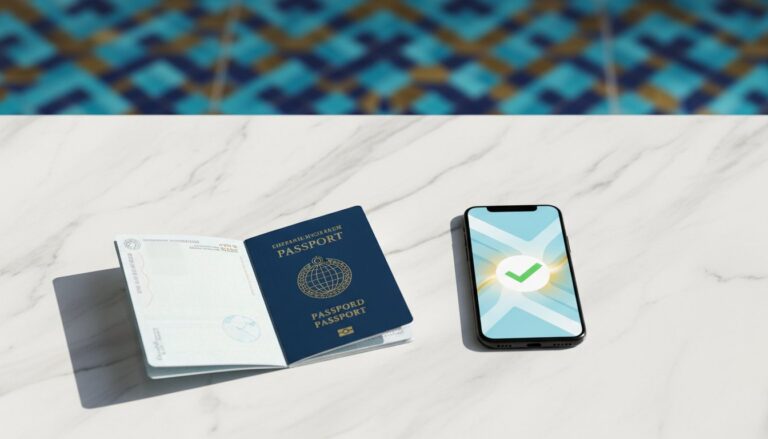
A missed detail on a transit stop can turn a simple layover into a travel problem at check-in. If your route includes Uzbekistan, the key question is straightforward: can you stay airside and continue, or do you need permission to enter the country during transit?
This guide breaks down Uzbekistan transit visa rules in plain language so you can quickly assess what applies to your trip. Because visa requirements can depend on your passport, stop length, and whether you leave the international transit area, the right answer is often not just about transit itself. It depends on the full itinerary.
What is a transit visa for Uzbekistan?
A transit visa is generally meant for travelers passing through Uzbekistan on the way to a different destination. It is not the same as a tourist visa, business visa, or medical visa. In most cases, a transit visa is relevant when you are entering Uzbekistan briefly while continuing onward to another country.
That sounds simple, but the practical issue is this: not every transit passenger actually needs one. If you remain in the international transit area of the airport and your airline and route allow that, you may not need to apply for any visa at all. If you need to pass immigration, collect and recheck baggage, switch airports, or stay overnight outside the transit zone, the situation changes.
Uzbekistan transit visa rules depend on how you transit
The most important part of understanding Uzbekistan transit visa rules is knowing the difference between airside transit and entering the country.
If you stay in the airport transit area
If your connection allows you to remain inside the international transit area without passing border control, you may be able to transit without a visa. This usually works best when your flights are on a single itinerary and your baggage is checked through to the final destination.
Even then, you should not assume every connection qualifies. Some airports, airlines, or ticket combinations require passengers to clear immigration between flights. If that happens, a traveler who expected to stay airside may suddenly need entry permission.
If you must pass immigration
If your trip requires you to enter Uzbekistan during transit, you will usually need the correct visa or visa-free eligibility for your nationality. This can happen for several common reasons. You may need to collect luggage and check in again, your layover may be long enough that you plan to leave the airport, or your next flight may depart the next day.
In those cases, transit is no longer just an airport connection. It becomes a short stay in Uzbekistan, and your passport status matters.
Who may need a transit visa?
Travelers who are not visa-exempt for Uzbekistan and who need to enter the country during a connection may need a transit visa or another valid visa type. The exact requirement depends on nationality and the structure of the trip.
This is where many travelers get confused. A person can be “in transit” in the ordinary sense of the word while still needing a visa under immigration rules. If border entry is involved, immigration officers do not usually focus on your intention alone. They focus on whether your passport allows entry and whether you hold the right document.
For some travelers, an Uzbekistan e-Visa may be the more practical option than trying to sort out a narrow transit category, especially if there is any chance of needing to leave the airport. If your itinerary is not fully protected on one ticket or your layover could change, a standard short-stay visa route may offer more flexibility.
When a transit visa may not be necessary
There are a few situations where a transit visa may not be needed.
First, your nationality may qualify for visa-free entry or another simplified arrangement. In that case, even if you enter Uzbekistan during a stopover, you may not need a separate transit visa.
Second, you may remain entirely within the airport transit area and continue on a confirmed onward flight. This is the classic transit scenario, but it only works if the airport process and airline booking support it.
Third, your existing visa status may already permit entry, depending on the travel document you hold and current immigration policy.
The trade-off is that airport transit without a visa can be convenient but less flexible. If anything changes – a schedule disruption, baggage issue, or rebooking – you may need entry permission on short notice.
Documents commonly checked during transit planning
Even when the final visa requirement depends on nationality, there are a few documents that matter in almost every case.
You should have a valid passport with enough remaining validity for travel, a confirmed onward ticket to a third country, and any visa required for your next destination. Immigration authorities often want to see that you are genuinely passing through and that you can lawfully continue your journey.
If you expect to enter Uzbekistan during transit, hotel details and proof of your short stay plans may also be relevant. If you are using a visa facilitation service, clear passport scans and accurate travel dates help avoid processing delays.
How long can you stay during transit?
Transit permission is usually tied to a short connection window rather than open-ended travel. The allowed period, if a transit visa is issued, may be limited and based on the onward itinerary.
This matters because some travelers think a transit visa can double as a flexible short tourist stay. That is not always a safe assumption. If you want time in Tashkent or another city between flights, a regular visa option may be more appropriate than relying on a strict transit arrangement.
If your layover is long, overnight, or vulnerable to schedule changes, it is worth planning for the possibility that standard entry permission will be the better fit.
Common scenarios travelers ask about
Overnight layover in Tashkent
If you plan to leave the airport and stay at a hotel, you will generally need entry permission unless your nationality is exempt. An overnight connection usually means you should not rely on airside transit assumptions.
Separate tickets on different airlines
This is one of the riskiest transit setups. Separate tickets often mean collecting baggage and checking in again. If so, you may need to enter Uzbekistan, which can trigger a visa requirement.
Long layover with plans to visit the city
If you want to step out of the airport during a long stop, treat the trip as a short entry into Uzbekistan. Transit in the travel-planning sense does not remove immigration rules.
Flight disruption or missed connection
This is where a tight no-visa transit plan can become stressful. If you are forced to exit the transit area because of rebooking or accommodation arrangements, entry permission may become necessary.
Should you apply for a transit visa or an e-Visa?
For many travelers, the answer comes down to flexibility. If your route is simple, your onward travel is confirmed, and you are certain you will remain airside, you may not need any visa at all.
But if there is a realistic chance that you will enter Uzbekistan during the connection, an e-Visa can be the cleaner solution when eligible. It can reduce last-minute uncertainty and give you more control if your travel plans shift. That is especially useful for business travelers, families, and anyone traveling on separate bookings.
If you want a faster, simpler way to handle eligible Uzbekistan visa applications online, Visato.uz helps travelers complete the process in just a few steps with 24/7 support.
How to avoid problems before you fly
The safest approach is to verify three things before departure: whether your nationality requires a visa to enter Uzbekistan, whether your airline connection keeps you inside the transit zone, and whether your baggage is checked through to your final destination.
Do not rely on the word “transit” alone when booking flights. Read the itinerary structure carefully. A short layover on one booking can be easier than a longer one on separate tickets. If there is any ambiguity, plan for the stricter scenario rather than the most optimistic one.
Accuracy also matters. A small mismatch in passport details, travel dates, or destination documents can create delays. If you apply for a visa, use the exact information shown on your passport and flight booking.
Final checks before your Uzbekistan connection
Uzbekistan transit visa rules are manageable once you focus on the real decision point: are you staying airside, or are you entering the country? That one distinction shapes almost everything else.
If your route is tight and predictable, transit without a visa may work. If your plans involve immigration, overnight stays, baggage recheck, or any uncertainty, it is smarter to prepare for entry requirements in advance. A few minutes of planning now can save hours of disruption at the airport later.