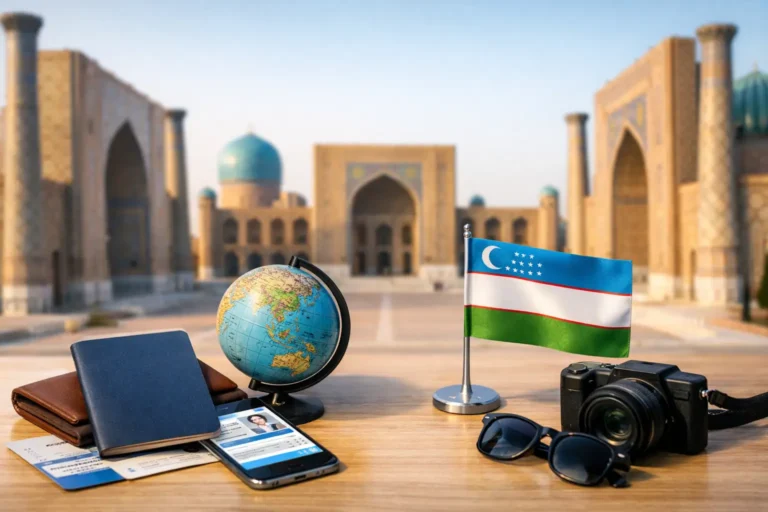
A lot can change between the day you book your flight and the day you submit your visa application. With Uzbekistan, that gap matters. Processing expectations, traveler volumes, document checks, and digital application habits are all shifting, and those changes affect how quickly and confidently people can get approved.
If you are planning a tourist trip, a business visit, or medical travel, understanding current Uzbekistan travel visa trends can help you avoid delays and make better decisions before you apply. The pattern is clear: travelers want faster digital processing, clearer eligibility guidance, and fewer embassy-style steps. That is pushing the visa experience toward a simpler, online-first model, but it also means applicants need to be more precise with timing and documentation.
What Uzbekistan travel visa trends show right now
The biggest trend is simple. More travelers expect the visa process to work like the rest of trip planning – online, quick, and easy to track. People are less willing to deal with long in-person procedures or unclear requirements, especially when they are booking flights, hotels, and insurance digitally in just a few minutes.
That shift has made e-Visa demand more consistent across different traveler types. It is no longer only tourists applying online. Business travelers and medical visitors also want a fast, fully digital route that fits tight schedules. For many applicants, speed matters as much as cost.
At the same time, demand for convenience has not eliminated the need for accuracy. In fact, digital systems tend to make mistakes more visible. If a passport scan is unclear or personal details do not match exactly, delays can still happen. So while the process is becoming easier, successful applications still depend on clean submissions.
Another noticeable trend is that travelers are researching eligibility much earlier. Instead of assuming they can apply at the last minute, more people now check nationality rules, validity periods, and entry conditions before finalizing travel plans. That is a smart move, especially for applicants coming from markets where visa approval timing can shape the whole trip.
Why digital-first processing is becoming the standard
Travelers want fewer steps, and visa services are responding to that expectation. A digital-first application model reduces paperwork, shortens communication time, and gives applicants more control over the process. Upload documents, complete payment, check status, and get support – all from one place. That is the direction the market is moving.
For Uzbekistan travel visas, this matters because many international visitors are comparing destinations not just by attractions or airfare, but by how easy the documentation process feels. A country may be highly appealing, but if the visa process seems confusing, some travelers delay or reconsider. A fast online route lowers that friction.
There is also a trust factor. Travelers feel more confident when the process is transparent and when support is available if something goes wrong. That is one reason service-driven platforms continue to gain attention. People are not only buying speed. They are buying reassurance that their application is being handled correctly.
Seasonal demand still affects timing
One of the most practical visa trends is seasonal pressure. Spring and fall are popular periods for travel to Uzbekistan, especially for tourism. During those windows, application volume can rise, which may affect review times or create backlogs around holidays and peak departure periods.
Business travel has its own rhythm. Applications often increase around trade events, regional meetings, and project-based travel schedules. Medical travel can be less seasonal, but it is often more time-sensitive. That means applicants in this category usually need clear guidance quickly and cannot afford document errors.
The takeaway is straightforward: the best time to apply is rarely the latest possible date. Even if processing is marketed as fast, real-world conditions vary. A traveler applying well in advance has more room to correct mistakes, upload missing files, or respond to questions without risking the trip.
The quality of your application matters more than ever
As digital processing becomes more common, travelers sometimes assume approval is almost automatic. That is not the right mindset. Online systems may be easier to use, but they still depend on accurate information.
Passport details must match exactly. Photos and scans must meet quality expectations. Travel purpose should be selected correctly. Even a small mismatch between an application and a passport can trigger review delays. This is one of the less obvious parts of current Uzbekistan travel visa trends: convenience has increased, but so has the importance of getting details right the first time.
For first-time applicants, this creates a trade-off. A self-service application can be fast and convenient, but if you are unsure about eligibility, nationality-specific rules, or document formatting, support becomes very valuable. That is especially true for travelers on a tight departure timeline.
Traveler types are shaping visa expectations
Tourists, business visitors, and medical travelers are not asking for exactly the same thing. Their priorities are different, and that is influencing how visa services present options and support.
Tourists usually want a simple, affordable, low-friction process. They care about speed, but they also want clarity. They do not want to spend hours decoding requirements.
Business travelers tend to value predictability. Their trips may depend on meetings, site visits, or event dates, so even a short delay can have real consequences. They often want status visibility and responsive assistance.
Medical travelers typically need both urgency and extra reassurance. Their planning may involve appointments, family coordination, and health-related stress. For this group, support is not a bonus. It is part of the service.
These different expectations are shaping the market toward more guided digital experiences rather than basic form submission alone.
Country-specific guidance is becoming more important
A broad visa page is useful, but many travelers now expect guidance that reflects their nationality and travel purpose. That trend is growing because applicants know that visa rules and document expectations can differ depending on where they are applying from.
For US travelers, the main concern is often speed and convenience. For applicants from other outbound markets, the bigger question may be eligibility or required supporting documents. That is why more visa platforms are organizing information around traveler type and country-specific pathways instead of giving every user the same generic instructions.
This is where clarity saves time. If a traveler can quickly understand whether they are eligible, what documents are needed, and how long processing may take, they are far more likely to complete the application without hesitation.
Support is now part of the product
One of the clearest trends in digital visa services is that customer support is no longer separate from the application process. Travelers expect help before, during, and after submission. They want fast answers about passport validity, processing time, status updates, and corrections.
That expectation is reasonable. A visa application is not like buying a standard product. If something is wrong, the cost is not just inconvenience. It can mean a missed flight or a canceled trip. Responsive support reduces that risk.
This is one reason platforms like Visato.uz stand out for travelers who want more than a form. A guided process, secure payment, status checking, and 24/7 support can make the difference between a stressful application and a manageable one completed in just a few steps.
How travelers should respond to these trends
The smartest approach is to apply early, prepare documents carefully, and choose a service path that matches your level of confidence. If your travel dates are fixed or your trip is urgent, leaving the visa to the last minute is rarely worth the risk.
It also helps to think realistically about your situation. If you have applied for visas before and your documents are straightforward, a self-directed online process may feel easy. If you are unsure about eligibility or you need help checking details, support can save time even if the application itself looks simple.
Most importantly, do not treat visa planning as a final task after flights and hotels are booked. Current Uzbekistan travel visa trends show that documentation is becoming easier to handle online, but not less important. The smoother the system gets, the more it rewards travelers who are organized from the start.
What to expect next
The direction is clear. Visa processing for Uzbekistan is likely to keep moving toward faster digital handling, clearer applicant guidance, and stronger support throughout the process. Travelers will expect mobile-friendly applications, quicker updates, and fewer unclear steps. That is good news, but it also means expectations will keep rising.
For applicants, the best strategy is not complicated. Check your eligibility early, prepare accurate documents, and use a service that makes the process easy to follow. When your visa is handled with speed, clarity, and support, the rest of your trip planning gets easier too. A few careful steps now can protect the whole journey later.