If your trip to Uzbekistan is coming up fast, the choice between an embassy visa vs e visa can affect everything from how long you wait to how much paperwork you handle. For many travelers, the difference is simple: one option is built around in-person embassy procedures, while the other is designed for a faster, fully online application experience.
That sounds straightforward, but the right choice depends on your nationality, travel purpose, timing, and comfort with digital applications. A tourist planning a short visit may have very different needs from a business traveler with special documentation or a medical traveler working around fixed appointment dates. The smartest approach is not choosing the “best” visa in general. It is choosing the one that fits your trip with the least friction.
Embassy visa vs e visa: the core difference
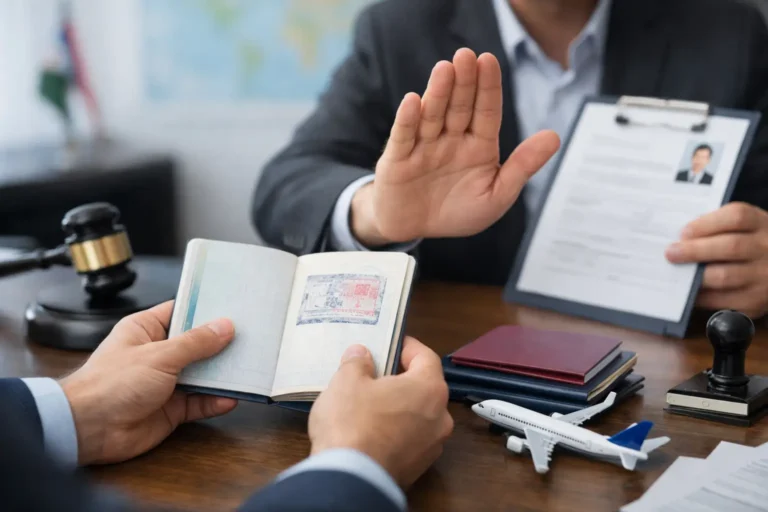
An embassy visa is a visa obtained through a consulate or embassy. Depending on the country and visa type, this can involve filling out forms, preparing paper documents, booking an appointment, submitting your passport or copies, and sometimes attending an interview.
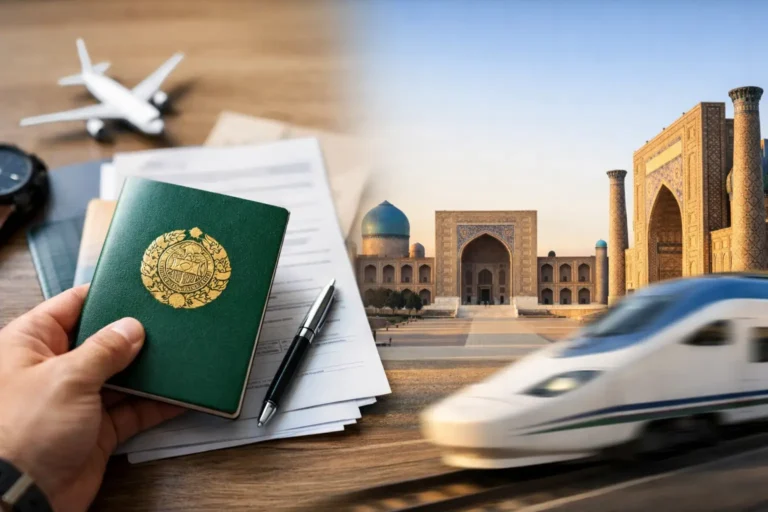
An e visa is an electronic visa issued through an online process. In eligible cases, you complete the application online, upload the required documents, pay online, and receive the approved visa electronically. That means no embassy visit in many situations and a much simpler path for travelers who want speed and clarity.
For Uzbekistan travelers, this distinction matters because convenience is often the deciding factor. If you are eligible for an e-Visa, the process is usually better aligned with modern travel planning. You can apply from home, track progress more easily, and avoid some of the delays that come with traditional processing channels.
When an e visa makes more sense
For most short-term travelers, the e visa is the more practical option. It works especially well for tourists, business visitors, and medical travelers who want to complete the process in just a few steps without visiting an embassy.
The biggest advantage is time savings. Instead of organizing an appointment, printing forms, and managing in-person submission requirements, you can usually handle the application on your phone or laptop. That matters if your travel dates are close or if you simply do not want visa paperwork to slow down the rest of your planning.
The second advantage is convenience. An online process feels more manageable because the steps are clearer. You provide your details, upload the required documents, make a secure payment, and wait for the result. For digitally comfortable travelers, that is a much better experience than dealing with embassy schedules and local office procedures.
There is also a practical benefit around location. If you do not live near an embassy or consulate, an e visa can save you a trip, shipping costs, or the inconvenience of sending documents through third parties. For many US-based travelers and other international applicants, this alone makes the decision easy.
When an embassy visa may still be necessary
An e visa is not always available to every traveler. Eligibility depends on nationality and sometimes on the purpose of the visit. If your country is not included in the e-Visa system, or if your travel reason falls outside the e-Visa category, an embassy visa may be the only valid route.
Embassy visas can also be required when a case needs closer review. That may include complex travel histories, longer stays, certain work-related purposes, or documentation that must be checked more formally. In those situations, the extra embassy steps are not just bureaucracy. They are part of how the visa decision is made.
Some travelers also prefer embassy processing because it feels more official or because they want face-to-face clarification. That preference is understandable, especially if the trip is important and the traveler wants reassurance from a consular office. Still, more personal contact does not always mean faster or easier.
Processing time: where the difference really shows
This is where embassy visa vs e visa becomes very practical.
Embassy visas often take longer because there are more moving parts. Appointment availability can add delays before your application is even submitted. Then there is document review, possible follow-up requests, and passport handling procedures that vary by location.
E visas are usually faster because the process is designed for digital review from the start. That does not mean instant approval, and travelers should never wait until the last minute. But in general, the timeline is more predictable and easier to manage.
For travelers trying to lock in flights, hotel bookings, or business meetings, predictability matters almost as much as speed. A shorter, simpler process reduces stress and gives you more control over your trip schedule.
Documents and paperwork
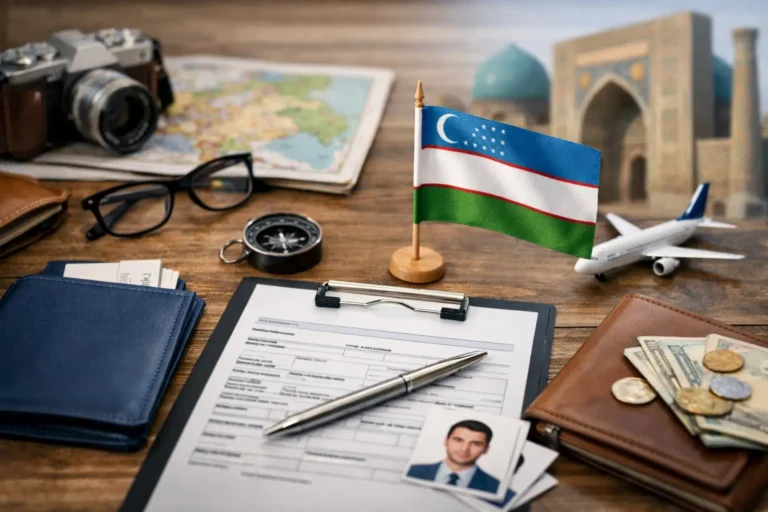
Embassy applications are usually heavier on paperwork. You may need printed forms, photographs in a specific format, proof of itinerary, supporting letters, and physical submission procedures that can differ by embassy.
An e visa typically reduces that burden. The process is more standardized, and the required documents are often limited to essential items such as passport information and a digital photo or scan, depending on the destination’s current rules. Fewer manual steps usually means fewer chances for avoidable mistakes.
That said, online does not mean careless. Travelers still need to make sure names, passport numbers, and travel details match exactly. A simple typing error can create delays whether you apply online or through an embassy.
Cost is not just the visa fee
Many travelers compare only the government fee, but the real cost includes time, transportation, printing, mailing, and missed work or scheduling inconvenience.
An embassy visa may look reasonable on paper, but the total cost can rise if you need to travel to a consulate, pay for courier services, or make repeated submissions. For applicants in cities without easy embassy access, those extra costs add up quickly.
An e visa often keeps the total cost lower because the process is centralized online. Even when service or processing fees apply, many travelers still find the overall value better because they save time and avoid offline admin tasks.
Which option is better for Uzbekistan travel?
If you are eligible, the e visa is usually the better fit for Uzbekistan travel. It matches what most modern travelers want: fast processing, simple steps, secure online payment, and no unnecessary embassy visit.
That is especially true for short stays tied to tourism, business, or medical travel. These travelers usually want a reliable process that does not interrupt trip planning. A digital application can support that far better than a traditional embassy route.
Still, “better” does not mean universal. If your nationality is not eligible, if your case requires special review, or if your trip falls outside e-Visa rules, the embassy route is not a fallback in a negative sense. It is simply the correct channel for that application.
How to choose the right visa path
Start with eligibility. Before comparing speed or convenience, confirm whether you qualify for an Uzbekistan e-Visa. That single detail determines whether you have a true choice or not.
Next, consider your travel purpose. A short tourism or business trip may fit neatly into the e-Visa process. A more specialized reason for travel may require embassy handling. If your plans are time-sensitive, lean toward the option with fewer manual steps, provided you are eligible.
Then think about your tolerance for paperwork. Some travelers do not mind appointments and paper forms. Others want a fully digital process and quick status visibility. There is no wrong preference, but there is a more efficient fit for each traveler.
If you want added confidence, using a support-driven visa facilitation platform can make the e-Visa process even easier. Services like Visato.uz help reduce uncertainty by presenting requirements clearly, supporting the application flow, and offering assistance when travelers need quick answers.
Common mistakes when comparing embassy visa vs e visa
One common mistake is assuming the e visa is always available. It is often the easiest route, but it still depends on eligibility.
Another is assuming embassy processing is automatically more secure or more likely to be approved. Approval depends on meeting the requirements, not on choosing the more complicated process.
The third mistake is waiting too long. Even a fast online process should be started early enough to allow for review time and any corrections. The easier path is still a legal application, not a last-minute travel hack.
The best visa process is the one that matches your case, minimizes avoidable delays, and gives you confidence before departure. If an e-Visa is open to you, it is often the simplest way to move forward. If it is not, an embassy visa remains a valid route – just one that usually takes more time and preparation.
Before you apply, check your eligibility carefully and choose the option that makes your trip easier, not harder.