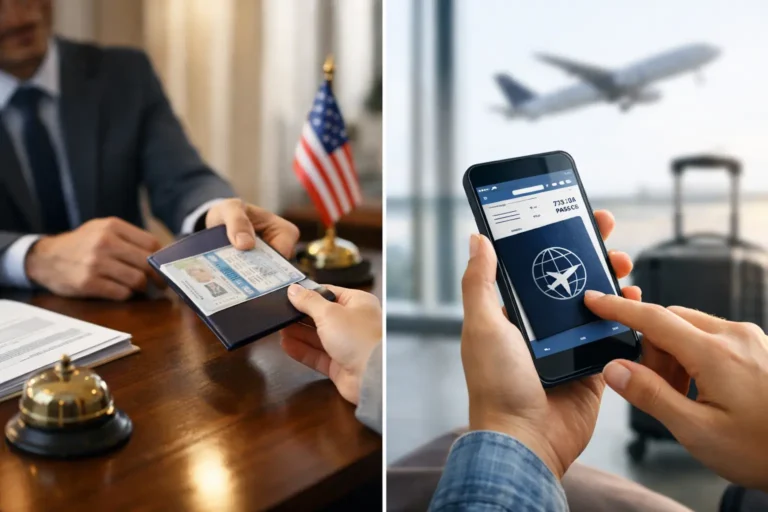
A flight booked too early can turn a simple visa choice into a stressful one. When travelers compare urgent visa service vs standard processing, they are usually trying to solve one problem fast: how to get approved in time without paying more than necessary.
For Uzbekistan travel, that decision matters more than it first appears. Speed is only one part of the equation. Cost, document readiness, application accuracy, and how close you are to departure all affect whether urgent processing is worth it.
Urgent visa service vs standard processing: what changes?
At the most basic level, standard processing is the regular review route. It is usually the better fit for travelers who are applying with enough time before departure and who want to keep costs lower. Urgent visa service is designed for people who need a faster turnaround, often because travel dates are close, plans changed, or a delay elsewhere pushed the visa application later than expected.
What changes is not usually the visa itself, but the speed and support around the application timeline. You are still applying for the same travel authorization. The real difference is how quickly the file is handled and how much margin you have before your trip.
That said, faster does not mean careless. Urgent processing still depends on correct information, eligible nationality, valid travel documents, and successful submission. If an applicant makes a mistake, choosing urgent service does not erase that problem.
When standard processing makes more sense
If your trip is several weeks away and your documents are ready, standard processing is often the smart choice. It gives you enough time to apply without paying extra for speed, and it reduces the pressure that comes with a tight deadline.
This option is usually better for organized travelers, families planning ahead, and business visitors with confirmed schedules. It is also useful if you want time to review details carefully before submitting. A passport number entered incorrectly or a wrong travel date can slow things down, and standard processing gives you more breathing room if corrections are needed.
Standard processing can also be the better emotional choice. Not every traveler wants to watch the clock. If you know your trip dates early, there is little advantage in waiting until the last minute and then paying more for urgency.
When urgent visa service is worth paying for
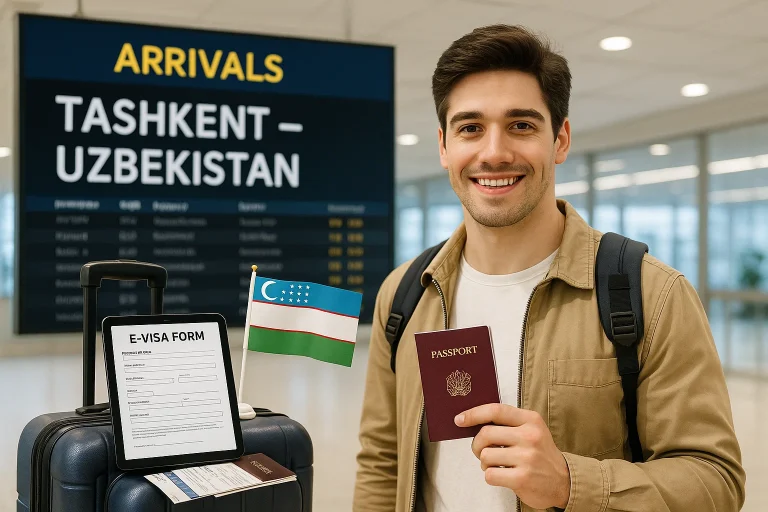
Urgent processing becomes valuable when time is the main issue. Maybe your departure date is close. Maybe your meeting in Tashkent was confirmed later than expected. Maybe a medical visit came together quickly and you do not have the luxury of a long planning window.
In those situations, the extra cost often buys peace of mind as much as speed. Instead of hoping regular timing will be enough, you choose a faster path that better matches your schedule.
This is especially relevant for travelers who have already booked flights or accommodation. Once nonrefundable travel costs are involved, the price difference between standard and urgent service may feel less significant than the risk of missing the trip.
Still, urgent service is best seen as a solution for a short timeline, not as a shortcut around the rules. If your passport is expiring soon, your uploaded files are unclear, or you are not eligible for the visa type you selected, urgency will not fix those issues.
The real trade-off: price versus flexibility
Most travelers frame the decision around speed, but the more useful comparison is price versus flexibility. Standard processing saves money if your schedule has room. Urgent processing costs more, but it gives you a better chance of fitting the visa process into a compressed travel plan.
That flexibility matters when your itinerary is moving. Business travelers often deal with shifting meetings. Tourists may add Uzbekistan to a broader regional trip at the last minute. Medical travelers may need to move quickly based on appointment availability. In each case, paying more can make sense because delay has a higher cost.
But if your dates are fixed far in advance, urgent service may offer very little practical benefit. Paying for speed you do not need is still paying extra.
Urgent visa service vs standard processing for different travelers
Tourists usually benefit from standard processing if they plan ahead. Most leisure travel is booked with at least some lead time, so there is often no reason to rush. If you are still comparing hotels and building an itinerary, that is a strong sign to apply early and avoid urgent fees.
Business travelers are more likely to need urgent processing. Corporate schedules change, invitations arrive late, and a short-notice trip can become unavoidable. In that context, a fast, fully digital process is not just convenient. It supports the realities of work travel.
Medical travelers often have the least flexibility. Appointment timing may be determined by the provider, not the traveler. If travel is tied to treatment, consultation, or follow-up care, urgent processing can be the more practical and less risky option.
What urgent processing does not guarantee
This is where many applicants get confused. Urgent service may speed up handling, but it does not guarantee approval. Approval depends on meeting the visa requirements and submitting accurate information.
It also does not guarantee that a late application is suddenly safe. If you apply very close to departure, even fast processing can feel tight. Travel plans should always leave some buffer where possible.
Another point: urgent processing does not replace careful preparation. Before submitting, make sure your passport details match exactly, your photo or scans meet the requested format, and your travel information is consistent. A fast application with errors can still become a slow problem.
How to choose the right option without overthinking it
A simple rule helps here. If you have enough time and complete documents, choose standard processing. If your trip is close and any delay could affect departure, choose urgent processing.
Then ask yourself three practical questions. First, how many days remain before travel? Second, are all required documents ready right now? Third, would a delay cost you money, a missed meeting, or a missed appointment?
If your answer to the third question is yes, urgent service may be the safer choice. If the answer is no and your timeline is comfortable, standard processing is usually enough.
This decision becomes easier when the application process is fully online. Platforms built around speed and clear guidance help reduce mistakes, which matters whether you choose standard or urgent handling. For travelers who want a simpler route, Visato.uz is designed to make the Uzbekistan e-Visa process manageable in just a few steps, with status tracking and 24/7 support.
Common mistakes that make both options harder
The biggest mistake is waiting too long to apply and then assuming urgent service will solve every problem. It may help with timing, but it cannot correct missing information or eligibility issues on its own.
The second mistake is choosing standard processing when your schedule leaves no room for delay. This often happens when travelers focus only on saving money. A lower service fee can look appealing until a tight timeline creates unnecessary stress.
The third mistake is submitting inconsistent information. Names, passport numbers, and travel dates need to match the passport and the application exactly. Small errors can create avoidable setbacks.
Finally, some travelers confuse faster service with less responsibility. In reality, the faster the timeline, the more important it is to submit everything correctly the first time.
The better strategy for Uzbekistan travel
For most travelers, the best strategy is not simply choosing urgent or standard. It is applying as soon as your travel plan becomes real. Early action gives you more options, lower stress, and a better chance of avoiding extra costs.
If you already know you are traveling to Uzbekistan, standard processing is often enough when handled early. If your trip came together quickly or your departure date is approaching, urgent service can be a practical backup that protects your plans.
The right choice depends on your timing, your risk tolerance, and how expensive a delay would be for you. If you are deciding under pressure, keep it simple: pay for speed when the timeline truly demands it, and save money when it does not. A visa process should support your trip, not add more uncertainty to it.