Why Understanding Medical Visas Matters for International Healthcare

Waiting for an Uzbekistan eVisa result?
If your application is delayed, unclear, or rejected, our team can review the situation and guide your next step.
- Document and photo guidance
- Secure application handoff
- WhatsApp support available
An Uzbekistan medical visa can mean two very different things: a visa for foreign nationals seeking treatment in Uzbekistan, or a visa for Uzbek citizens needing care abroad. Understanding which one applies to you is the first step in a successful medical journey.
-
Traveling to Uzbekistan for Treatment: Foreign nationals can get a medical visa for up to 3 months. This requires an invitation from an approved Uzbek medical institution, a valid passport, and proof of funds. Applications are handled by Uzbekistan’s consular offices.
-
Traveling from Uzbekistan for Treatment: Uzbek citizens must apply for a medical visa from the embassy of their destination country. Requirements vary but typically include an invitation from a foreign hospital, local medical reports, proof of funds, and travel insurance.
Medical tourism is a global phenomenon, and Uzbekistan is actively encouraging it with incentives for private healthcare providers. Simultaneously, many Uzbeks travel to countries like India for more affordable or specialized procedures. Getting the right visa is critical in both cases to avoid denials, wasted fees, or missed appointments.
I’m Nariman Huseynov, and at Visato.uz, we specialize in navigating Uzbekistan’s visa landscape. This guide will clarify the uzbekistan medical visa process for both inbound and outbound travel, so you can focus on your health.
Understanding Medical Visas: For Treatment In and Out of Uzbekistan
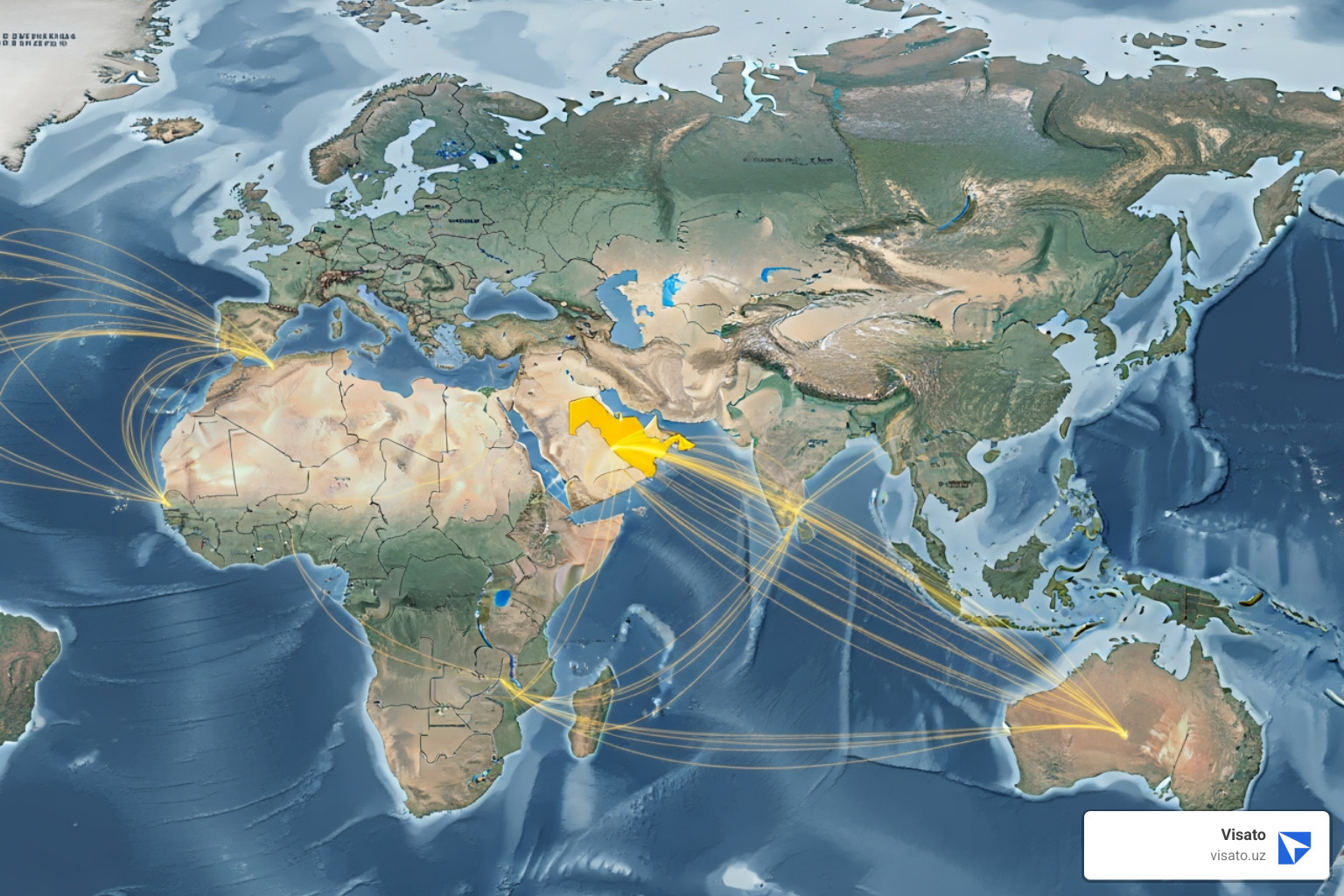
When discussing an Uzbekistan medical visa, it’s crucial to know the direction of travel. Are you a foreign national coming to Uzbekistan for treatment, or an Uzbek citizen going abroad for care? The process, documents, and issuing authority are completely different for each.
Medical Visa Purpose: Specialized Cross-Border Healthcare
A medical visa is official permission to cross borders for healthcare. Patients seek specialized treatments, advanced procedures, or long-term care that may be unavailable, unaffordable, or less advanced at home. Whether it’s cardiac surgery in India or orthopedic care in Uzbekistan, these visas make global healthcare accessible.
Scenario 1: Foreign Nationals Seeking Treatment in Uzbekistan
Uzbekistan is actively developing its medical tourism sector. Presidential Decree UP-102 supports this by offering incentives like reduced fees for foreign doctors and canceling the tourist tax for foreign patients at medical institutions.
However, prospective patients should be aware that medical care standards may not match those in Western Europe or the U.S., and there have been reports of supply shortages and counterfeit medications. It is vital to research your chosen medical institution, verify doctor credentials, and secure comprehensive international medical insurance.
Scenario 2: Uzbek Nationals Seeking Treatment Abroad
Many Uzbek citizens travel abroad for highly specialized procedures, advanced technology, or higher success rates. India is a popular destination due to its world-class facilities and costs that are 50-70% less than in Western countries. South Korea, Germany, and Turkey are also common choices for specific treatments.
Key Differences: Issuing Authority
The fundamental difference lies in who issues the visa:
-
For foreign nationals coming to Uzbekistan: The Uzbekistan medical visa is issued by Uzbekistan’s Ministry of Foreign Affairs via its consular missions. It is a specific category, distinct from a tourist e-visa, and requires an invitation from a recognized Uzbek medical facility.
-
For Uzbek nationals going abroad: The medical visa is issued by the embassy or consulate of the destination country in Tashkent. An application for treatment in Germany is handled by the German embassy, while one for India is processed by the Indian embassy, each with its own unique requirements.
How to Get an Uzbekistan Medical Visa for Inbound Treatment
If you are a foreign national seeking medical treatment in Uzbekistan, this is your guide to the process. The Uzbekistan medical visa is specifically for healthcare and requires a different application than a standard tourist visa.

The entire application hinges on an official invitation from a recognized medical institution in Uzbekistan. This letter must detail your treatment, its expected duration, and associated costs. It serves as proof of your genuine medical need.
Visa Details and Eligibility
An approved Uzbekistan medical visa typically allows a stay of up to 3 months. If your treatment requires more time, extensions may be possible with additional documentation from your doctor, but you should apply for an extension well in advance. Foreign citizens and stateless persons are eligible, provided they have the required invitation. An accompanying person, such as a spouse or caregiver, can often obtain a visa to travel with you.
Good news for patients: Uzbekistan has canceled the tourist tax for foreign citizens receiving care at medical institutions, reducing the overall cost of your trip.
The Application Process and Required Documents
The Uzbekistan medical visa is a “sticker visa” affixed to your passport, requiring you to apply through an Uzbek consular office. You will need to prepare the following:
- Valid Passport: Must be valid for at least three months beyond your stay, with at least one blank page.
- Visa Application Forms: Two completed and signed forms, which can be started online at visa.mfa.uz.
- Passport-Size Photos: Two recent photos meeting standard specifications (white background, full face).
- Invitation Letter: The official letter from your Uzbek medical institution.
- Proof of Financial Means: Bank statements or a sponsor letter to show you can cover all expenses.
Submit these documents to the Embassy or Consulate of Uzbekistan in your country. Visa fees vary by nationality, so check with the local embassy for current pricing. For more details, visit the Official visa information from the Embassy of Uzbekistan.
Registration Upon Arrival: The Emehmon System
Upon arrival, you must register with local authorities within three days. This is a mandatory legal requirement. The process is handled through the online Emehmon system. Your hotel or medical institution will typically manage this for you, but it is your responsibility to ensure it is done and to keep proof of registration. You must maintain continuous registration for your entire stay, re-registering if you move to a new address.
Your Guide to Applying for a Medical Visa from Uzbekistan to Go Abroad
For Uzbek citizens seeking medical treatment abroad, navigating the visa process can be daunting. This guide breaks down the essential steps.
Choosing a Destination and Hospital
Many Uzbeks travel for specialized care, with India being a top choice due to its high-quality facilities and costs that are 50-70% less than in the West. When choosing a country and hospital, consider:
- Specialization: Does the facility excel in your required treatment?
- Accreditation: Look for international certifications like JCI (Joint Commission International) to ensure quality standards.
- Doctor Credentials: Verify your doctor’s training and experience with your specific procedure.
- Support Services: Check for language support (translators) and cultural compatibility.
General Application Steps
Most countries require you to start the application online by filling out forms on their official visa portal. Afterward, you will need to schedule an appointment at the destination country’s embassy in Tashkent to submit physical documents, provide biometric data (fingerprints and photo), and possibly attend a short interview. Visa fees vary by country, typically from $80 to over $200.
Essential Documents for Your Application
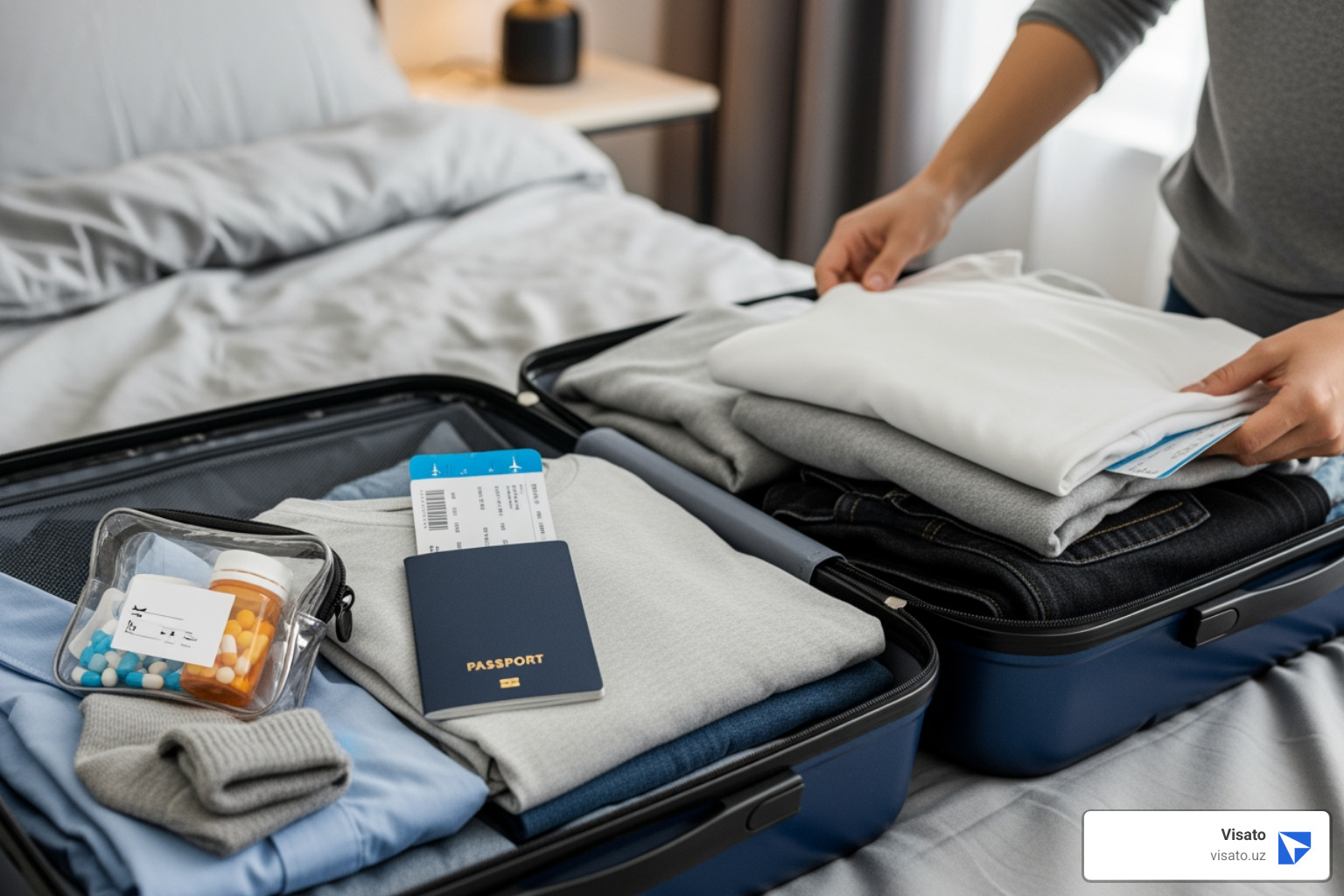
While requirements vary, nearly all medical visa applications require these core documents:
- Valid Passport: With at least six months of validity and two blank pages.
- Visa Application Form: Completed accurately and signed.
- Passport-Size Photos: Check the destination country’s specific requirements for size, background, and pose.
- Invitation Letter from Foreign Hospital: This is critical. It must be on official letterhead and detail your diagnosis, recommended treatment, estimated cost and duration, and appointment dates.
- Local Medical Records: Referral letters and reports from your Uzbek doctor explaining why treatment abroad is necessary. These often need to be notarized.
- Proof of Financial Means: Bank statements for the last 3-6 months or a formal sponsorship letter to prove you can cover all costs.
- Flight Itinerary: A confirmed or tentative round-trip booking.
- Travel Medical Insurance: Mandatory for many destinations.
Minimum Insurance Coverage: 30,000 EUR
For travel to European countries (especially the Schengen Area), mandatory travel medical insurance with a minimum coverage of 30,000 EUR is required. This policy must cover medical emergencies, hospitalization, and repatriation for your entire stay. Even if not mandatory for other destinations, comprehensive insurance is highly advisable.
Country-Specific Processes
Many countries offer a Medical Attendant Visa for a close family member to accompany you, which requires proof of relationship. Visa durations are typically aligned with your treatment timeline. For short-term treatments (under 90 days), processing is often faster. For European travel, be mindful of the Schengen “90 days in any 180-day period” rule. Always verify the exact requirements on the official website of the destination country’s embassy in Tashkent.
After You Apply: Processing, Refusals, and Post-Arrival Steps
You’ve done the hard work—gathered your documents, filled out the forms, and submitted your application. Now comes the waiting game. Let’s talk about what happens next, and more importantly, what to do if things don’t go quite as planned.
Processing Times: Expect Variation
Processing times vary widely. A standard Uzbekistan e-visa for tourism, like those processed by Visato.uz, can take just 2-3 business days. The specific Uzbekistan medical visa (a sticker visa) also typically takes around 3 business days, but it’s wise to apply well in advance.
For Uzbek nationals applying for a medical visa to go abroad, the wait is longer. Standard processing for many countries, including Schengen nations, is about 15 calendar days but can extend to 45 days or more if extra checks are needed. Never book non-refundable travel until your visa is approved and in your possession.
Visa Refusal: Common Reasons
A visa refusal is disappointing but often avoidable. Common reasons include:
- Incomplete Documentation: Missing forms, signatures, or required translations.
- Insufficient Funds: Failure to provide clear proof that you can cover all medical and travel costs.
- Doubt About Travel Purpose: Inconsistencies in your application that cast doubt on your medical intentions.
- Misrepresentation: Providing false documents or information, which can lead to long-term travel bans.
- Previous Overstay: A history of violating visa rules in any country.
What Should Be Done if a Medical Visa Application is Refused?
If your application is denied, the refusal letter will state the reasons. Read it carefully. You can then address the specified issues—such as providing missing documents or stronger financial proof—and re-apply. While appealing is an option, it can be a slow process. For urgent medical needs, submitting a corrected and more robust application is often faster and more effective.
Post-Arrival Requirements: Registration, Staying Safe, and STEP
Once your visa is approved and you arrive, you have further obligations.
- Registration: In Uzbekistan, foreign nationals must register within three days via the Emehmon system. Your medical facility should handle this, but you must ensure it’s done. Many other countries have similar registration laws for extended stays.
- Safety: Be aware of local health risks and the quality of medical facilities. For U.S. citizens, enrolling in the free Smart Traveler Enrollment Program (STEP) is highly recommended for emergency updates and assistance. Citizens of other countries should check for similar programs offered by their foreign ministries.
Frequently Asked Questions about Medical Visas
Here are answers to some of the most common questions we receive about medical visas.
Can my family member accompany me on a medical visa?
Yes, in most cases. Many countries offer a Medical Attendant Visa for a close family member (like a spouse or parent) to provide support. Your application will be linked to theirs, and you will need to provide proof of relationship (e.g., marriage or birth certificate). The treating hospital often needs to issue a letter confirming that an attendant is medically necessary. The attendant must also meet all standard visa requirements, including having their own proof of funds and travel insurance.
How long is a medical visa valid for and can it be extended?
Visa validity depends on the destination and your treatment plan.
-
For travel to Uzbekistan: The Uzbekistan medical visa is typically issued for up to 3 months. Extensions are possible on a case-by-case basis if your treatment takes longer, but you must provide updated medical documentation to justify the need for a longer stay.
-
For travel abroad from Uzbekistan: The initial visa validity will match the estimated treatment duration in your hospital’s invitation letter. If treatment is prolonged, extensions are usually possible. You will need to apply for an extension in the destination country, providing new medical reports from your treating facility.
Are there any COVID-19 requirements for medical travel?
Uzbekistan has lifted all COVID-19-related entry requirements. Foreign nationals traveling to Uzbekistan for medical care do not need to show proof of vaccination or negative tests.
For Uzbek citizens traveling abroad, requirements depend entirely on the destination country. While many nations have relaxed their rules, some may still have testing or vaccination mandates. Always check the official government health and embassy websites of your destination country for the most current information before you travel.
Conclusion
Navigating visa requirements is a critical part of any international medical journey. Whether you are a foreign national seeking care in Uzbekistan or an Uzbek citizen traveling abroad, understanding the correct process is key.
For inbound travel to Uzbekistan, the Uzbekistan medical visa requires an invitation from a recognized clinic and is valid for up to 3 months. Remember the mandatory three-day registration upon arrival via the Emehmon system.
For outbound travel, Uzbek citizens must apply at the destination country’s embassy, providing a comprehensive set of documents, including a hospital invitation and proof of sufficient funds and insurance (often a 30,000 EUR minimum). Always start early and verify all requirements with official sources.
At Visato.uz, we understand the stress of travel planning. While the specific uzbekistan medical visa for inbound treatment is a sticker visa handled by consulates, we are here to simplify your other travel needs. Our platform processes standard Uzbekistan e-visas in just 2-3 business days with 24/7 support.
Your health is the priority. Don’t let visa complexities stand in your way. To ensure all your travel to the country is compliant, explore all Uzbekistan visa types for 2025 for a smooth journey.
Waiting for an Uzbekistan eVisa result?
If your application is delayed, unclear, or rejected, our team can review the situation and guide your next step.
- Document and photo guidance
- Secure application handoff
- WhatsApp support available