A visa delay usually does not happen because of one major mistake. It happens because of one small detail – a passport image that is hard to read, a typo in a name, a document uploaded in the wrong format, or an application submitted too close to departure. If you are searching for how to avoid Uzbekistan visa delays, the best approach is simple: prepare carefully, apply early, and check every detail before you submit.
For most travelers, the Uzbekistan e-Visa process is straightforward. But straightforward does not mean automatic. Even digital applications can slow down when the information does not match supporting documents or when applicants rush through the form. A few extra minutes at the start can save days of waiting later.
How to avoid Uzbekistan visa delays before you apply
The fastest applications usually begin before the form is even opened. Travelers who get approved quickly tend to have three things ready from the start: a valid passport, a clear digital photo, and complete travel information that matches their documents exactly.
Your passport should be valid for the required period and in good condition. If the passport is close to expiration, damaged, or difficult to read, that can create avoidable issues. Even when a system accepts an application, unclear passport details can still lead to review delays.
It also helps to confirm early that you are actually eligible for the visa type you plan to request. Tourist, business, and medical travel can involve different expectations. Choosing the wrong category may not always lead to an outright refusal, but it can slow processing if the application needs closer review.
This is also the stage where travelers should look at timing realistically. If your trip is in a few days, even a normally fast process can feel stressful. Government processing times are not always predictable day to day. Applying early gives you room to handle questions, corrections, or seasonal backlogs without disrupting your travel plans.
Match every detail exactly
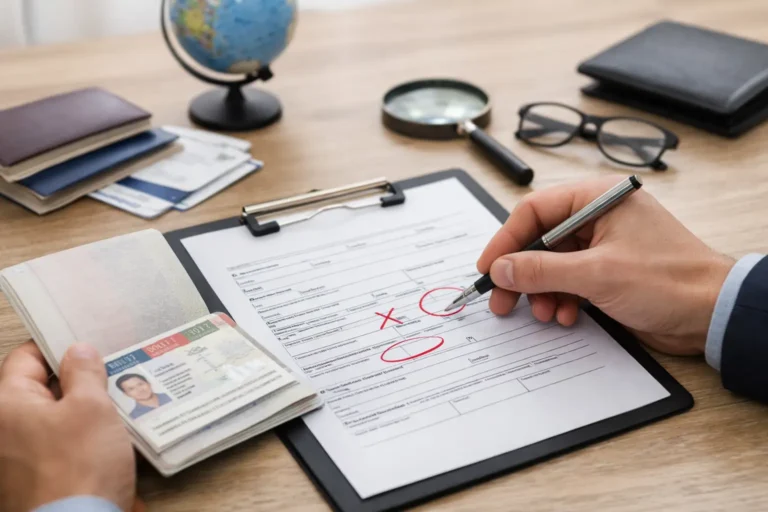
One of the most common reasons for delay is a mismatch between the application form and the passport. That includes small mistakes that seem harmless, such as missing a middle name, entering numbers incorrectly, or using a nickname instead of the exact passport spelling.
Names should appear exactly as they do in the passport. Dates must follow the correct format. Passport numbers should be checked more than once. If your passport includes letters that are easy to confuse with numbers, slow down and verify them carefully.
Nationality, date of birth, passport issue date, and passport expiry date should all match the document precisely. If the system asks for place of issue or other passport details, do not guess. Use the exact information shown.
This is one area where speed can work against you. Many delays come from applicants trying to finish the form in one quick sitting without reviewing it. A careful five-minute check at the end is often the difference between smooth processing and unnecessary follow-up.
Use document files that are clear and usable
A digital visa process depends heavily on image quality. If your passport scan is blurry, cropped, shadowed, or cut off at the corners, it may not be accepted quickly. The same goes for your photo.
Your passport image should show the full page clearly, with all text readable. Avoid glare, fingers on the document, dark backgrounds, or angled shots. A flat, well-lit image is far more reliable than a quick phone photo taken in poor lighting.
For your photo, use a recent image that meets the expected standard. If the face is too dark, too small, off-center, or blocked by filters or background distractions, the application may be delayed while it is reviewed or corrected.
File format matters too. If the platform asks for a specific size or file type, follow those instructions exactly. Submitting oversized files, screenshots, or edited images can slow things down. The goal is simple: make it easy for the reviewing authority to read and verify everything the first time.
Apply early, even if processing is usually fast
Fast processing is helpful, but it should never be treated as a guarantee. Travelers often assume that because an e-Visa is digital, it will always be approved almost immediately. That is where avoidable stress starts.
If you want to know how to avoid Uzbekistan visa delays in practical terms, the answer is to give yourself a buffer. Apply well before your intended travel date rather than waiting until flights and hotels are already fixed and non-refundable.
This matters even more during busy travel periods, holiday seasons, or times when application volumes rise. A perfectly completed application can still take longer than expected if there is higher demand. Early submission protects your itinerary and gives you time to respond if any correction is needed.
For business and medical travelers, early timing is even more important. Those trips are often tied to appointments, events, or scheduled meetings. A delay does not just affect travel convenience – it can affect the purpose of the trip itself.
Choose the right visa type for your trip
Applicants sometimes focus so much on speed that they overlook the basics of visa selection. But choosing the wrong category can create unnecessary review time.
If you are visiting for tourism, use the tourist option. If you are traveling for a business purpose, apply under the correct business route. If the trip is connected to medical treatment, select the visa type that fits that purpose. The details you provide should support the category you choose.
Trying to simplify the trip description too much can backfire. At the same time, adding extra information that does not match the visa purpose can raise questions. The safest approach is to be clear, accurate, and consistent throughout the application.
It depends on your travel reason, of course. Some trips include a mix of meetings and sightseeing, or medical treatment with personal time added. In those cases, the primary purpose of entry should guide your application. If you are unsure, it is better to confirm before submitting than to guess and fix it later.
Watch your email and phone after submission
Submitting the form is not always the final step. Sometimes applicants miss important updates simply because they stop checking after payment is completed.
Use an email address you check regularly, and make sure it is typed correctly. If there is a typo in your email, you may never receive a status update or request for clarification. Check your spam or junk folder as well, especially if you are expecting a confirmation or notification.
If the platform allows status tracking, use it. The sooner you spot an issue, the easier it is to respond before it becomes a larger delay. A support-led service such as Visato.uz can also help reduce friction here by giving travelers a clearer application path and access to assistance when questions come up.
This is especially useful for travelers applying from abroad across time zones. A delay of just one missed day can matter if your departure date is close.
Avoid last-minute corrections
Corrections are one of the biggest causes of lost time. Once an application has been submitted, changing information may not be as simple as editing a draft. In some cases, a new submission or manual review may be needed.
That is why review matters before payment, not after. Double-check your passport details, visa type, travel dates, and uploaded files before you finalize anything. Ask yourself one question: if a visa officer compares this application to my passport, will every detail line up immediately?
If the answer is yes, you have reduced the risk of delay significantly.
Travelers applying for family members should be extra careful here. Group applications can create confusion when names, passport numbers, or photos are mixed up between applicants. Each file should belong to the correct person, and each form should be reviewed individually.
Simple habits that keep your application moving
There is no secret shortcut for faster approval. What works is accuracy, timing, and responsiveness. Travelers who avoid delays usually follow a simple pattern: they prepare documents in advance, use exact passport details, upload clean files, choose the correct visa type, and submit with enough time to spare.
That may sound basic, but visa delays are often caused by basic issues. The good news is that most of them are preventable.
If your trip to Uzbekistan matters, treat the visa application like a travel document check, not a quick online form. A careful start gives you the best chance of fast processing, fewer surprises, and a smoother trip from the moment you apply.