If your flight is booked and your visa is still not sorted, the difference between evisa support vs embassy is no longer theoretical. It affects how much paperwork you handle, how quickly you can move, and how confident you feel before departure. For many travelers heading to Uzbekistan, the right path comes down to one simple question: do you want a digital process with guidance, or a traditional process with consular handling?
For most eligible travelers, eVisa support is the faster and easier option. But that does not mean embassy processing is obsolete. Some cases still require it, and some travelers simply feel more comfortable with a traditional route. The smart choice depends on your nationality, visa type, timeline, and how much hands-on help you want.
eVisa support vs embassy: the real difference
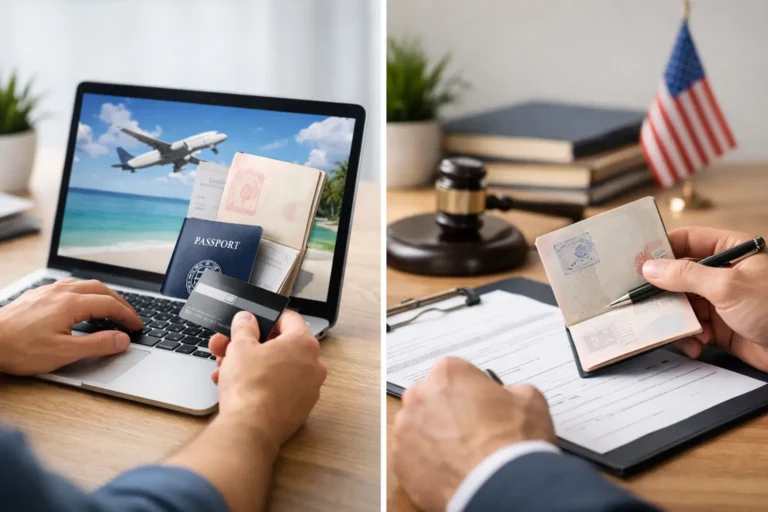
At a basic level, an embassy visa is a traditional visa process handled through a consulate or embassy. Depending on the country and visa category, this may involve forms, document collection, appointments, and longer waiting periods. It is often a better fit for cases that fall outside standard electronic visa eligibility.
eVisa support works differently. Instead of managing paperwork through an embassy channel, you complete a digital application, upload documents online, pay securely, and track progress remotely. If you use a support platform, you also get guidance on eligibility, document checks, and help if something is unclear.
That difference matters because most visa delays are not caused by the idea of the visa itself. They happen when applicants misunderstand requirements, upload the wrong file, enter inconsistent passport details, or realize too late that they chose the wrong application route. A support-led online process reduces those friction points.
When eVisa support makes more sense
If you are traveling to Uzbekistan for tourism, business, or medical purposes and you are eligible for the electronic route, eVisa support is usually the practical choice. It is built for travelers who want to apply from anywhere, without arranging embassy visits or sorting through unclear procedural steps.
The biggest advantage is convenience. You can complete the process in just a few steps, often from your phone or laptop. That is especially useful for US-based travelers and other international applicants managing trip planning across time zones, work schedules, and family commitments.
Speed is another major factor. Traditional embassy timelines can vary based on appointment availability, public holidays, staffing, and local procedures. A digital application process is generally more direct, especially when paired with responsive support that helps you avoid preventable errors from the start.
There is also the confidence factor. Many travelers are comfortable booking flights and hotels online, but visas feel different because the consequences of a mistake are higher. A support-driven eVisa process gives structure to something that otherwise feels bureaucratic.
When the embassy route may still be necessary
Not every traveler can or should use an eVisa. That is where embassy processing still matters.
If your nationality is not eligible for the electronic system, if your travel purpose requires a different category, or if your case involves documents that need formal review beyond the standard online flow, an embassy may be the correct channel. Some long-stay situations, special permissions, or exceptional travel cases may also fall outside eVisa scope.
Embassy processing can also make sense for travelers who need a visa class that is not available electronically. In those cases, trying to force an online route only creates delay. The better move is to confirm eligibility first and use the path that matches your situation.
This is why the question is not whether digital is always better than traditional. It is whether your case is a fit for digital processing. When it is, the online route usually wins on speed and simplicity. When it is not, embassy processing is not a backup option – it is the right one.
eVisa support vs embassy on speed
For most travelers, speed is the deciding factor.
Embassy processing often includes steps that slow things down before your application is even reviewed. You may need to gather paper documents, schedule or attend an appointment, communicate during limited office hours, and wait through manual intake stages. Even when the visa itself is issued efficiently, the process around it can be time-consuming.
With eVisa support, the process is designed to remove those delays. You submit online, receive guidance quickly, and avoid travel to a physical office. If your documentation is straightforward and your eligibility is clear, this can save days or even weeks in planning time.
That said, fast does not mean careless. A rushed application with the wrong passport number or poor-quality uploads can still cause problems. The value of support is not just moving quickly. It is moving quickly without creating a mistake that costs you more time later.
Cost, effort, and hidden friction
Many travelers compare only the government fee, but that is not the full picture.
Embassy applications can involve indirect costs: travel to the consulate, printing, courier services, time away from work, repeat visits, and the stress of unclear instructions. None of those show up neatly on a visa fee chart, but they affect the real cost of the process.
A support-based eVisa service usually centers on convenience and time savings. You are paying not just for submission, but for a clearer process, digital handling, and direct assistance if questions come up. For travelers who value speed and lower effort, that trade-off often makes sense.
This is especially true if your travel date is close, your schedule is packed, or you simply do not want to spend hours interpreting government language on your own.
Support matters more than most travelers expect
The biggest mistake travelers make is assuming a visa application is difficult only when the documents are unusual. In reality, standard applications also go wrong because small details are entered incorrectly.
Names must match passports exactly. Expiry dates, nationality fields, and document scans need to be clean and accurate. Even a minor mismatch can create delays or force a reapplication. That is why support matters.
In an embassy setting, help may be limited to formal instructions or office-hour communication. In a digital support model, assistance is part of the process. If you are unsure about requirements, eligibility, or how to complete a field, you can get a practical answer instead of guessing.
For travelers applying for Uzbekistan e-Visas, that difference can remove a lot of uncertainty. A platform such as Visato.uz is designed around that exact need: fast processing, clear steps, and 24/7 support that keeps the application manageable.
Which option is better for tourists, business, and medical travelers?
Tourists usually benefit most from eVisa support because the process aligns with how they already plan travel – online, quickly, and with minimal paperwork. If the goal is a short trip with simple documentation, the digital route is usually the easiest fit.
Business travelers often care even more about speed and predictability. They may be booking on tighter timelines, coordinating meetings, or traveling on short notice. In those cases, reducing back-and-forth and having access to status updates can make a real difference.
Medical travelers often value clarity above all. Travel connected to treatment or consultation can already feel stressful. A simpler visa process with direct support helps remove one more administrative burden.
The embassy route can still suit any of these traveler types if their eligibility requires it. But if both routes are available, the online support model generally creates less friction.
How to decide without wasting time
Start with eligibility. Before comparing convenience, confirm whether your nationality and travel purpose qualify for an Uzbekistan eVisa. That one step prevents most wrong-route problems.
Then look at your timeline. If you need a straightforward process and want to avoid embassy appointments, eVisa support is likely the better match. If your case is complex or falls outside eVisa rules, go directly to the embassy route instead of trying to make a digital path fit.
Also be honest about how much guidance you want. Some travelers are happy to handle every field and requirement themselves. Others want reassurance that someone can check what they are doing and answer questions quickly. Neither approach is wrong, but they lead to different choices.
The best visa process is not the one that sounds most official. It is the one that fits your eligibility, your schedule, and your need for support. If you can use the Uzbekistan eVisa route, a digital process with responsive help is usually the faster way to get from planning to departure with less stress.