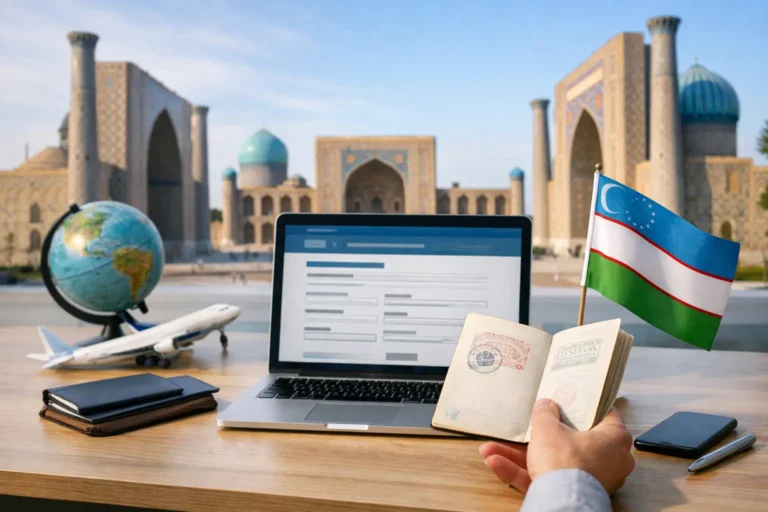
A visa application used to mean printing forms, booking appointments, and waiting through unclear timelines. The future of digital visa processing is changing that fast. For travelers planning a trip to Uzbekistan or anywhere else with an e-Visa system, the biggest shift is simple: fewer manual steps, more visibility, and faster decisions.
That matters because most travelers are not looking for a complicated government process. They want to know if they are eligible, what documents they need, how long approval may take, and what to do if something goes wrong. Digital visa systems are moving in that direction, and the countries that do it well will make travel planning easier, safer, and more efficient.
What the future of digital visa processing looks like
The next phase of visa processing is not just about putting a paper form online. It is about building a fully digital path from application to approval. That includes online identity checks, automated document review, secure payment, real-time status tracking, and faster communication with applicants.
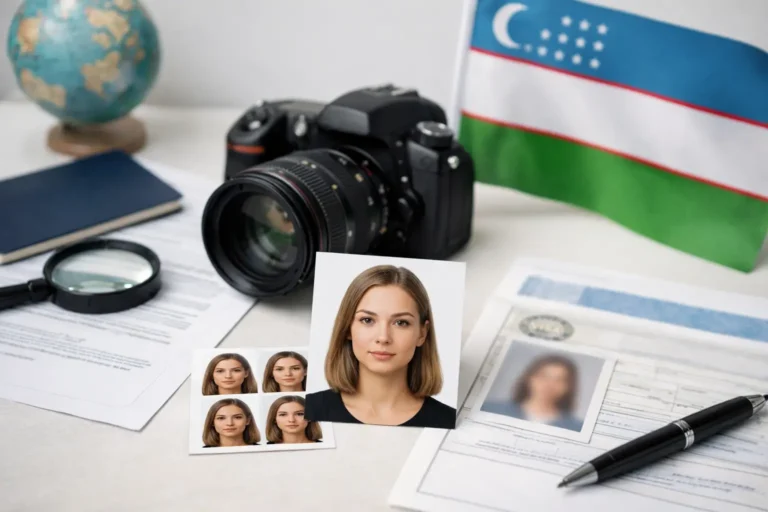
For travelers, this means less uncertainty. Instead of sending documents into a system and waiting without updates, they can expect clearer progress tracking and fewer avoidable mistakes. If a passport image is blurry or a field is incomplete, future-ready systems are more likely to flag the issue early rather than delay the whole application.
For visa platforms and government systems, automation will handle more routine checks. That does not mean every application will become instant. Some cases will still need manual review, especially for business travel, medical travel, or applicants with more complex travel histories. But for straightforward cases, digital processing can reduce wait times and improve consistency.
Why travelers should care now
This shift is already affecting how people plan international trips. The old approach forced travelers to build their itinerary around embassy visits, hard-copy documents, and long lead times. A digital-first approach flips that. The visa process becomes part of normal trip planning, not a separate obstacle.
That is especially helpful for short-notice travel. A tourist may find a flight deal and want to apply quickly. A business traveler may need to confirm a meeting in Uzbekistan within days. A medical traveler may not have the luxury of extra paperwork delays. In each case, digital processing reduces friction.
There is also a trust factor. When the process is simple and transparent, travelers are more likely to complete it correctly the first time. Clear instructions, guided forms, and visible status updates create confidence. That is not a small improvement. It can be the difference between a smooth trip and a missed departure.
Faster does not always mean easier
One of the biggest misconceptions about digital systems is that putting everything online automatically makes the process easy. It helps, but only if the system is well designed.
A badly built online application can still confuse applicants. If eligibility rules are unclear, if file requirements are not explained well, or if payment steps fail, the process remains stressful. The future of digital visa processing depends as much on user experience as it does on technology.
That is why support still matters. Even as automation improves, travelers will continue to need answers about document types, nationality-specific requirements, processing timelines, and correction requests. The strongest digital visa services will combine self-service speed with real human assistance when needed.
The technologies shaping digital visa systems
Several changes are likely to define the next few years.
First, better document recognition will reduce data entry errors. Instead of typing every passport detail manually, applicants may upload a passport image and have the system read the information automatically. This saves time, but accuracy checks will still matter.
Second, identity verification will become more advanced. Some systems may use selfie matching or biometric comparisons to confirm that the applicant matches the passport. This can improve security, although some travelers may have privacy concerns and some countries may adopt it more slowly than others.
Third, automated screening will become more precise. Applications can be reviewed against rule-based criteria before they reach a case officer. Straightforward files may move faster, while higher-risk or incomplete cases are routed for manual review.
Fourth, status communication will improve. Instead of generic messages, applicants will likely see more detailed updates such as received, under review, action needed, approved, or issued. That transparency reduces unnecessary support requests and helps travelers plan with more confidence.
Security will matter more, not less
As more visa processing moves online, security becomes central. Travelers are sharing sensitive personal details, passport information, and payment data. A digital system only works if applicants trust it.
That means stronger encryption, secure payment processing, fraud detection, and careful data handling. It also means clear communication about what information is required and why. Travelers are generally comfortable with digital applications, but they want to know their documents are being handled responsibly.
There is a trade-off here. More security checks can sometimes add time to processing. More verification can also mean more steps for the applicant. The best systems will balance both sides: enough protection to reduce fraud and enough simplicity to keep the process manageable.
Country rules will still shape the experience
Even with better technology, visa processing will not become identical across countries. Each government sets its own rules on eligibility, document standards, review depth, and approval timelines.
That means the future of digital visa processing will still vary by destination. Some countries will invest heavily in modern e-Visa systems and fast online approval models. Others may keep hybrid systems that still require embassy follow-up or extra document review.
For travelers to Uzbekistan, this is where a clear digital pathway matters. When a country supports e-Visa access and a service platform presents the requirements in a simple way, the process feels more predictable. Instead of trying to interpret government language alone, applicants can move through just a few steps with better guidance.
What travelers will expect from visa services
As digital standards rise, travelers will expect more than just an application form. They will expect speed, clarity, and support.
They will want to know upfront whether they are eligible before they spend time applying. They will expect document requirements to be easy to understand. They will want secure online payment, confirmation that the application was submitted correctly, and a practical way to check status without chasing updates.
They will also expect responsive help if something changes. Flight dates move. Passport scans get rejected. Travelers notice spelling errors after submission. A service that responds quickly can prevent a small issue from becoming a trip delay.
This is why support-led digital processing will continue to grow. Technology handles the routine work, while trained support teams handle exceptions and give travelers peace of mind. For many applicants, that combination is the real value.
What this means for Uzbekistan e-Visas
For Uzbekistan-bound travelers, the direction is encouraging. Digital processing supports exactly what modern applicants want: less paperwork, faster turnaround, and a more accessible path to approval.
A well-run online process is especially useful for tourism, business, and medical travel, where timing and document clarity matter. Instead of relying on traditional embassy routines, travelers can complete the core steps online, monitor progress, and get help when needed. That is the model services like Visato.uz are built around, and it matches where the market is heading.
Still, no digital system removes every risk. Applicants should give themselves enough time, check passport validity carefully, and follow the document instructions exactly. Faster processing helps most when the application is complete and accurate from the start.
The real future is less friction
The long-term direction is not flashy. It is practical. The best visa systems will help travelers avoid errors, submit documents faster, pay securely, and get decisions with fewer delays.
Some parts will become highly automated. Other parts will still depend on human review and country-specific policy. That is normal. Travel documentation involves security, identity, and border control, so there will always be checks that cannot be rushed.
But the process should feel easier than it used to. That is the standard travelers now expect, and it is where digital visa services can make the biggest difference. If your next trip depends on a visa, the smartest move is still the simplest one: start early, follow the requirements closely, and choose a digital process that gives you both speed and support.