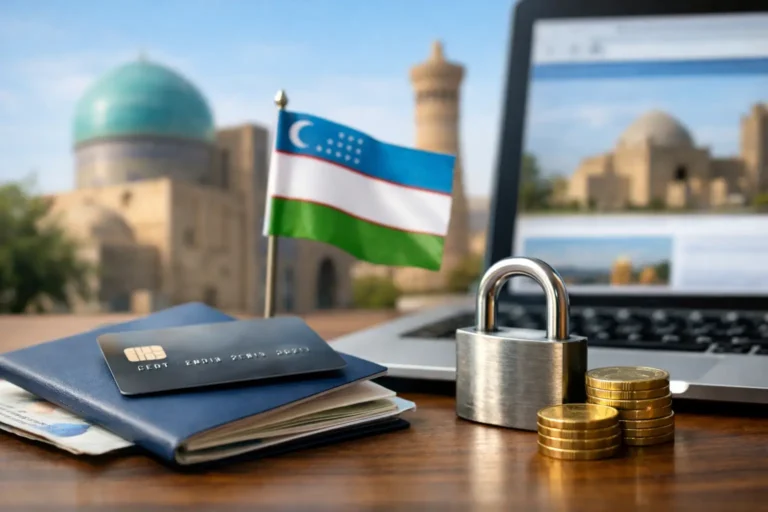
A missed visa detail can derail an otherwise well-planned business trip. If you are booking meetings, trade visits, or partner discussions in Uzbekistan, this Uzbekistan business travel visa guide will help you sort the paperwork early and avoid last-minute problems.
Business travel usually runs on fixed dates. That means your visa process needs to be clear, fast, and realistic from the start. The good news is that many travelers can complete the Uzbekistan visa process digitally, but the right path depends on your nationality, trip purpose, and the documents you can provide.
Who needs a business visa for Uzbekistan?
If you are traveling to Uzbekistan for meetings, negotiations, conferences, site visits, or other commercial activities, you may need a business visa or an approved electronic visa option, depending on your nationality and current entry rules. Some travelers can enter visa-free for short stays, while others must apply before departure.
This is where people often get confused. A business trip does not always mean the process is identical for every traveler. Your passport country matters. So does the exact reason for travel. If you are attending meetings but not taking local employment, your application may fall under short-term business travel rather than work authorization. That difference matters because a work visa and a business visit visa are not the same thing.
For US travelers and other international applicants, the safest approach is to confirm eligibility before you book nonrefundable arrangements. If your route qualifies for an e-Visa or simplified digital processing, the application can be much faster than a traditional embassy visit.
Uzbekistan business travel visa guide: what you usually need
Most applicants should expect to provide a valid passport, basic trip information, and supporting business details. In many cases, your passport should remain valid for at least six months beyond your planned travel period. A clear passport scan is usually required, and your application details must match the passport exactly.
You may also need a passport-style photo, an email address for updates, and a payment method for government or service fees. For business-related travel, applicants are sometimes asked for an invitation letter or details from the Uzbek company or organization they plan to visit. This can include the host company name, address, contact information, and planned dates of meetings.
The exact document list can vary. Some applicants move through a simpler digital process, while others may need additional review. If your trip involves multiple cities, a long stay, or a less common business purpose, expect a closer look at your supporting information.
The documents that cause the most delays
Most visa delays are not caused by complicated rules. They usually come from small mistakes. A blurry passport image, a typo in your passport number, a photo that does not meet format standards, or travel dates that do not line up with your invitation details can all slow the process down.
Business travelers also run into trouble when the trip purpose is written too vaguely. “Business” by itself may not be enough. It helps to describe the visit clearly, such as attending meetings with a supplier, participating in an exhibition, or conducting market research discussions. Clear, consistent information makes the application easier to assess.
Another common issue is timing. Some travelers assume approval will be instant because the process is online. Digital does not always mean immediate. It is faster than old-style paperwork in many cases, but review times can still vary based on nationality, travel season, and whether your file needs clarification.
How the application process usually works
For eligible travelers, the process is often just a few steps. You complete the online application, upload the required documents, pay the fee, and wait for the decision by email. If approved, you typically receive a digital visa document that should be printed or saved for travel.
The main advantage of online processing is convenience. You do not need to build your schedule around embassy hours or deal with unnecessary paperwork if your case qualifies for electronic handling. That said, convenience works best when the application is completed carefully the first time.
If you use a visa support service such as Visato.uz, the value is not only speed. It is also the extra review and guidance that can help catch errors before they become delays. For travelers on tight business timelines, that support can make planning much less stressful.
How long should you apply before your trip?
If your meeting dates are fixed, apply as early as practical. Even when processing is fast, it is better to leave room for corrections, document requests, or busy periods. A good rule is to start once your travel purpose, passport validity, and host details are confirmed.
Applying too early can also be inefficient if your dates are still changing. Applying too late creates unnecessary risk. The sweet spot depends on your nationality and case type, but business travelers should generally avoid waiting until the final week.
If your trip is tied to an event, exhibition, or contract deadline, build in extra buffer time. The cost of rescheduling flights or meetings is usually much higher than the cost of submitting your visa request early.
Fees, processing speed, and what affects both
Visa fees can vary based on visa type, nationality, and service route. Some applications involve only the official fee, while others include service charges for application support. The cheapest path is not always the best path if a mistake leads to rejection or delay.
Processing speed also depends on more than one factor. Nationality rules, application volume, public holidays, and document quality all play a role. A clean, complete application is usually the fastest kind. An incomplete one often becomes the slowest.
For business travelers, the real question is not only “What does the visa cost?” It is also “What does delay cost?” If your visit affects revenue, partnerships, or project timelines, reliable processing support can be worth it.
Common business travel scenarios
A short visit for meetings is usually straightforward if you have a valid passport and can show clear travel intent. An exhibition or conference trip may require event details or host information. A visit tied to technical consultations or site inspections may need a stronger explanation of who you are meeting and why.
If you plan to make repeated visits, check whether a single-entry visa fits your schedule or whether another option is more practical. Not every traveler needs the same visa format. Choosing the wrong type can create problems later, especially if your itinerary changes after approval.
It also helps to think beyond the visa itself. Keep a copy of your hotel details, business contact information, return or onward flight, and any invitation documents in case you are asked for them during your trip.
Uzbekistan business travel visa guide for smoother approval
The most effective way to improve your approval chances is simple: match every part of your application. Your passport, trip dates, host details, and stated purpose should all tell the same story. If one document says you are visiting for a conference and another says supplier meetings in different cities, the inconsistency may trigger questions.
Use the exact spelling shown in your passport. Double-check your uploaded files before submitting. Make sure your email address is active and monitored, because that is often how visa decisions or follow-up requests are sent.
If you are traveling as part of a company team, do not assume every employee will have the same requirements. Different nationalities within the same group may need different application routes. Handling that early prevents one traveler from holding up the whole schedule.
Before you fly
Once your visa is approved, review the details immediately. Check your name, passport number, validity period, and number of entries. If something looks wrong, address it before departure, not at the airport.
You should also travel with a printed copy of the visa approval and keep a digital backup on your phone. Business travelers often move quickly between flights, hotels, and meetings, so having documents easy to access saves time when you need them.
A smooth trip starts with accurate paperwork, but it also comes from giving yourself enough margin. Business plans can change fast. Your visa process should be the part that feels clear, controlled, and easy to manage. Start early, submit carefully, and if you need support, get it before small issues turn into missed opportunities.